Climate Protection
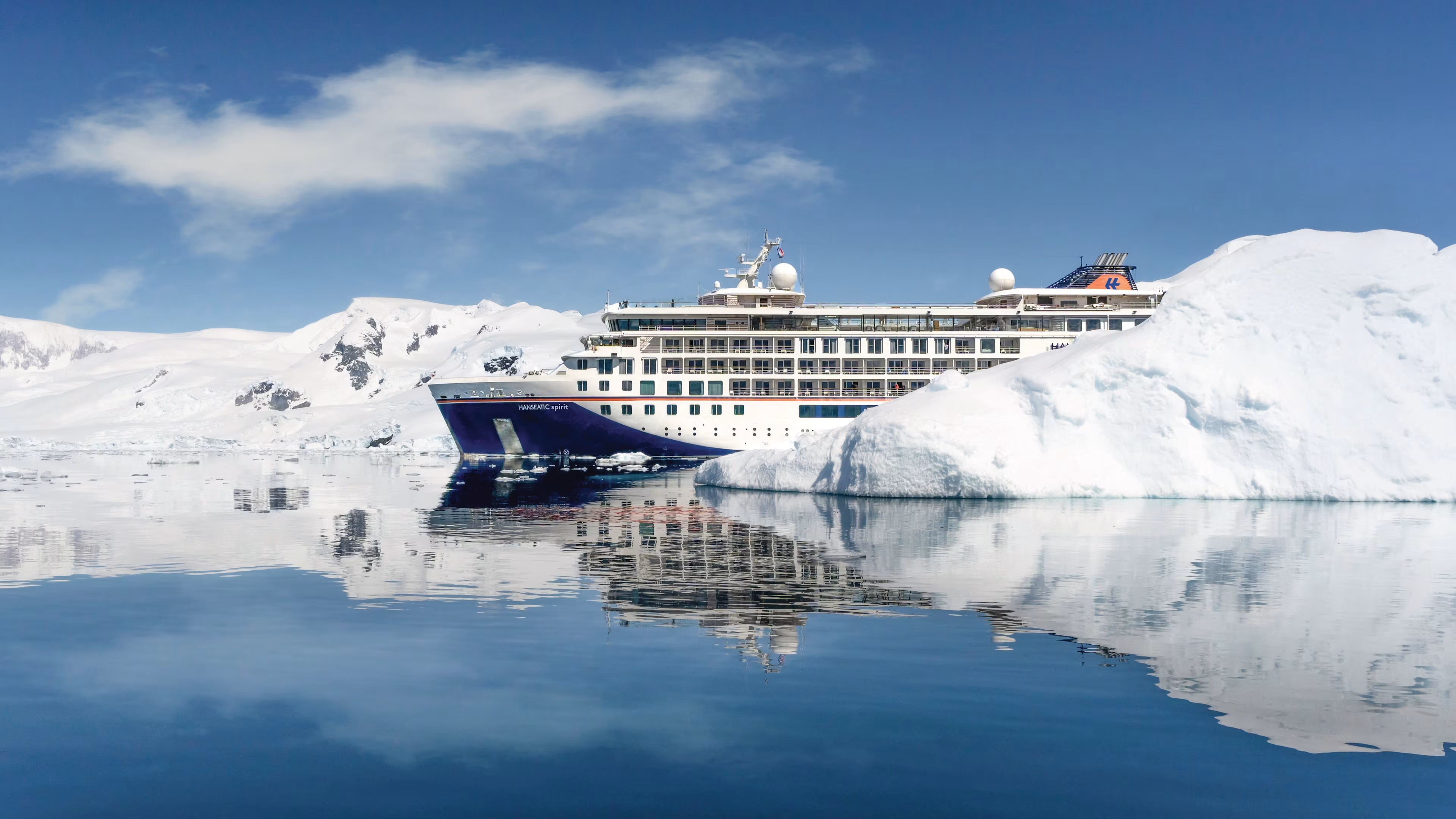
Reduction of greenhouse gas emissions as a key focus of our sustainability strategy
A key element of our 2030 sustainability strategy is our roadmap for reducing greenhouse gas emissions. This encompasses targets based on the Science Based Targets initiative, the adoption of alternative fuels—such as biofuels, methanol, and e-LNG/bio-LNG—and the equipping of our fleet with shore power connections. Wherever the necessary infrastructure is available, our vessels use shore power while berthed in port.

To pursue its defined goals, TUI Cruises has established short-, medium-, and long-term measures.
In the short term, the aim is to expand the use of shore power from renewable energy sources and—taking into account their respective origins and certifications—increase the blending of biofuels. Additionally, partnerships for the procurement of alternative fuels are to be established. TUI Cruises also plans not to commission any further ships designed for regular operation using heavy fuel oil.
Medium-term plans include pilot projects to test technologies and fuels with the potential to reduce lifecycle greenhouse gas emissions. These initiatives involve technically preparing existing vessels for the use of suitable fuels and expanding supply chains for bio-LNG, e-LNG, and renewably produced methanol.
Between 2040 and 2050, the use of bio-LNG and e-LNG on suitable vessels will serve as a key lever. New ships are to be designed to operate on fuels compatible with the company's targets. The long-term goal is to phase out the use of fossil fuels in cruise operations.
First fleet operator with externally validated, science-based climate tragets
Science-based climate targets (SBTs) for TUI Cruises have already been successfully defined. These were tested and validated by the independent SBTi; this initiative is supported by the WWF and the UN Global Compact among others and pursues the goal of making globalization more environmentally and socially sustainable.

In collaboration with the TUI Group, we submitted our self-imposed climate-protection targets to the SBTi for comprehensive verification. At the beginning of 2023, this process was successfully completed; the SBTi confirmed our targets are aligned with the today´s scientific understanding of climate change. By 2030, the emissions of TUI cruise companies (TUI Cruises and Marella Cruises) are to be reduced by a total of 27.5 percent compared to the 2019 base year. These binding and absolute CO₂ reduction targets are currently unique in the cruise sector.
The validation of the TUI Group targets can be viewed on the SBTi website: https://sciencebasedtargets.org/target-dashboard (please search for "TUI").
The SBTi promotes ambitious climate action in the private sector by empowering companies to set science-based emissions reduction targets. The SBTi is a partnership between the Carbon Disclosure Project (CDP), the United Nations Global Compact (UNGC), the World Resources Institute (WRI) and the World Wide Fund for Nature (WWF).